

Benefits & Advantages
- Same-day appointments for dental emergencies
- Expert care for severe toothaches and dental pain
- Treatment for broken, chipped, or knocked-out teeth
- Relief from dental infections and abscesses
- Weekend availability for urgent cases
- Gentle sedation options for anxious patients
Frequently Asked Questions
What is considered a dental emergency?
Severe pain, bleeding that won’t stop, a knocked-out or loose tooth, broken/chipped teeth with pain, facial swelling that may indicate infection, or any issue causing severe discomfort.
How quickly can I be seen?
We prioritize dental emergencies and offer same-day appointments for patients in pain. We reserve slots in our daily schedule specifically for urgent cases.
What should I do if my tooth gets knocked out?
Handle the tooth by the crown (not the root). Rinse gently with water if dirty (don’t scrub). If possible, reinsert it. Otherwise place it in milk or keep it in your cheek and call immediately—ideally within 30–60 minutes.

Benefits & Advantages
- Thorough evaluation of teeth, gums, jaw, and bite
- Personalized treatment planning based on your needs and goals
- Early detection of issues before they become painful or expensive
- Digital X-rays with minimal radiation for accurate diagnosis
Frequently Asked Questions
How long does a new patient exam take?
Typically about 30 minutes for an exam, needed X-rays, and a clear discussion of next steps.
What should I bring?
Bring your ID, dental insurance card (if applicable), medications list, and medical/dental history. If you have recent X-rays, ask your previous office to transfer them.
Do you accept insurance?
We accept most major dental insurance plans. Our team can verify benefits and provide an estimate of coverage.
Benefits & Advantages
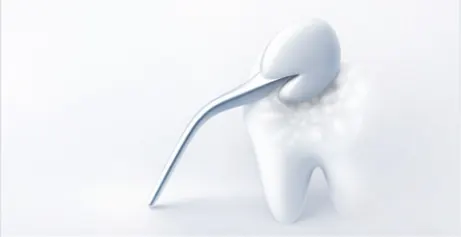
- Remove plaque and tartar buildup that brushing can’t reach
- Help prevent gum disease (linked to broader health concerns)
- Early detection through consistent preventive visits
- Brighter smile by removing surface stains
- Fresh breath and improved overall oral health
- Reduce future costs through prevention
Frequently Asked Questions
How often should I get a cleaning?
Most patients benefit every 6 months. Some patients may need every 3–4 months depending on gum health and risk factors.
Do cleanings hurt?
Cleanings shouldn’t be painful. We use gentle techniques and can adjust for sensitivity or anxiety.
What’s the difference between a regular cleaning and a deep cleaning?
A regular cleaning removes buildup above (and slightly below) the gumline. A deep cleaning (scaling and root planing) treats gum disease by cleaning deeper pockets and may require local anesthesia.
Benefits & Advantages
- Tooth-colored material that blends naturally
- Metal-free restorations (no silver appearance)
- Preserves maximum healthy tooth structure
- Less sensitivity compared to metal fillings
- Strengthens and protects remaining tooth structure
Frequently Asked Questions
Composite vs. silver fillings—what’s the difference?
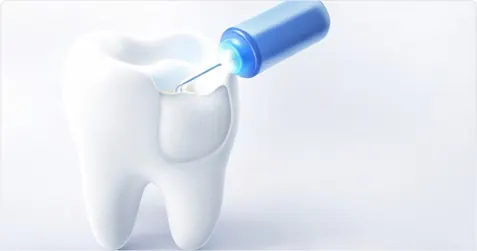
Composite fillings are tooth-colored and bond directly to the tooth, often requiring less removal of healthy structure than amalgam (silver) fillings.
Does getting a filling hurt?
We use local anesthesia so you feel pressure, not pain. For anxiety, comfort options are available.
How long do fillings last?
Typically 5–10 years with proper care, depending on bite forces and habits.
Benefits & Advantages
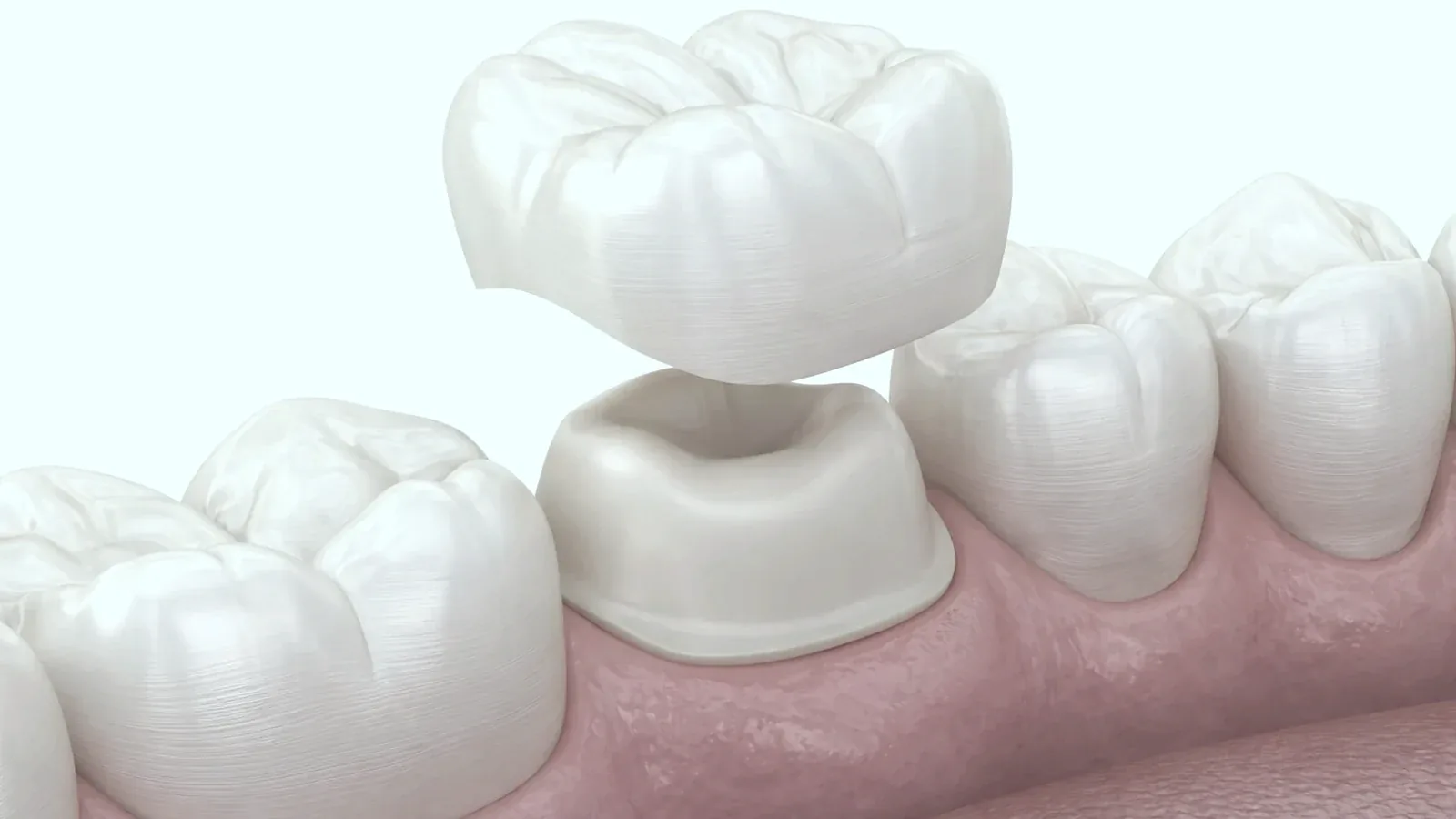
- Natural-looking porcelain that blends seamlessly
- Custom-crafted to match shape, size, and color
- Strengthens and protects weakened teeth
- Restores full function for chewing
- Precise digital impressions for a better fit
Frequently Asked Questions
When is a crown necessary?
When a tooth is too damaged for a filling, after root canal therapy, to support a bridge, cover an implant, or improve appearance of severely worn/discolored teeth.
Does it hurt?
We use local anesthesia to keep you comfortable. Mild sensitivity afterward is normal and temporary.
How long do crowns last?
With proper care, many crowns last 15 years or more.
Benefits & Advantages
- Fills gaps with natural-looking replacements
- Helps prevent nearby teeth from shifting
- Improves chewing and speaking comfort
- Maintains facial structure
- Fixed in place—no removal needed
Frequently Asked Questions
What is a dental bridge?
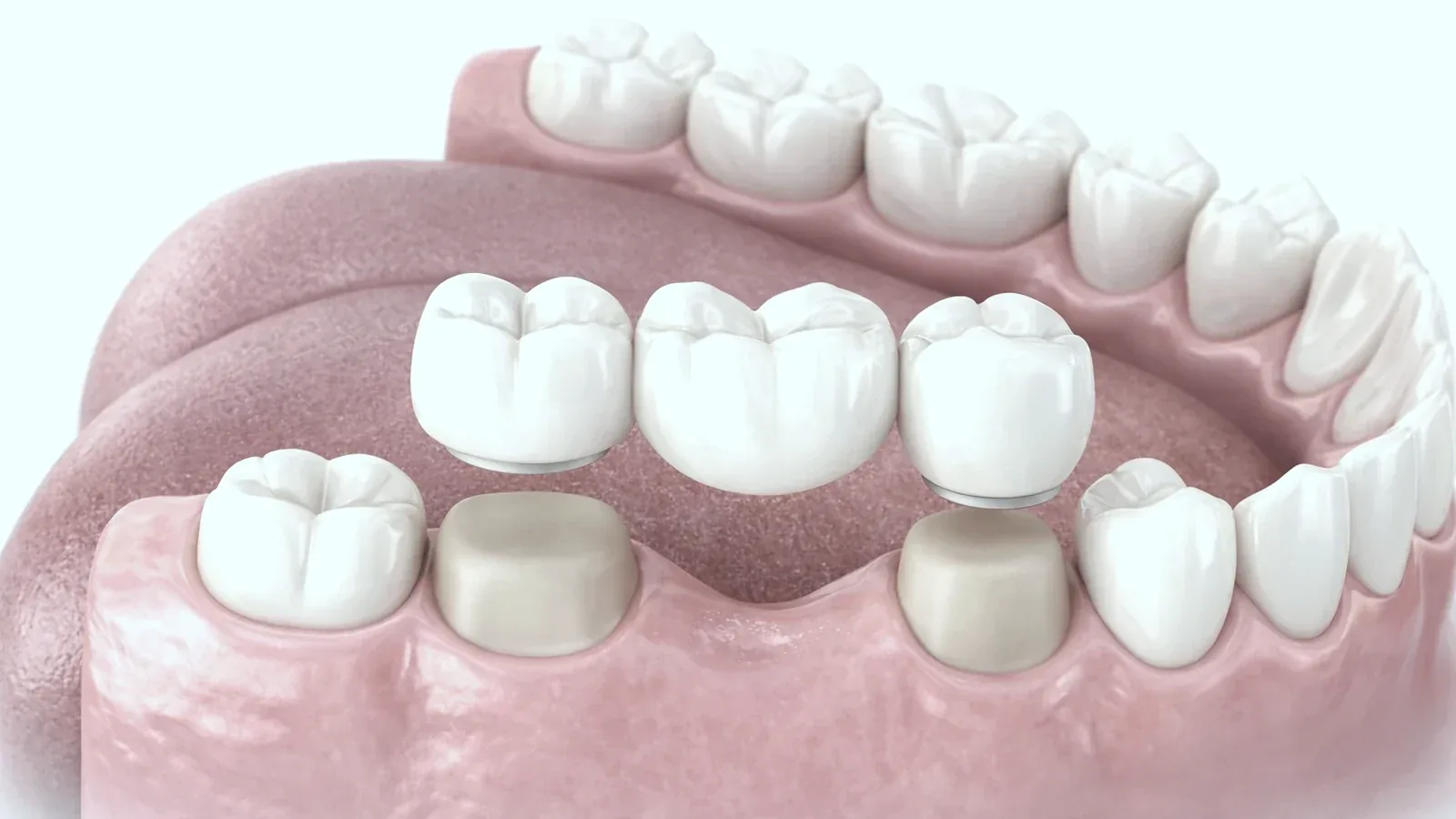
A fixed device that replaces missing teeth by “bridging” the gap. It’s supported by crowns on either side (or implants) with a replacement tooth in between.
How long do bridges last?
Typically 7–15 years with good hygiene and regular check-ups.
Are bridges better than implants?
It depends. Bridges can be faster and sometimes more cost-effective; implants may preserve bone and last longer. We’ll help you choose the best option for your case.
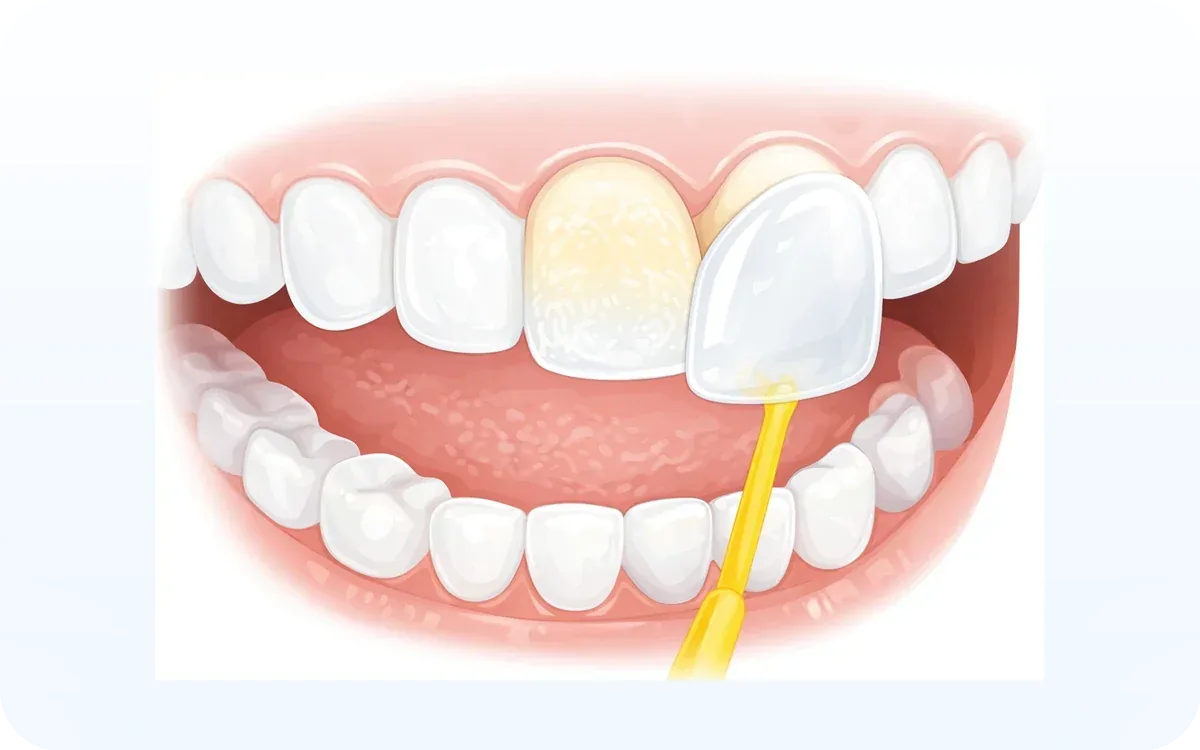
Benefits & Advantages
- Instantly enhances smile aesthetics
- Corrects multiple cosmetic concerns at once
- Minimally invasive alternative to crowns (case-dependent)
- Stain-resistant and long-lasting
- Natural-looking translucency
Frequently Asked Questions
How long do veneers last?
Often 10–15 years or longer with proper care.
Are veneers reversible?
Traditional porcelain veneers are considered permanent because a small amount of enamel is removed for fit.
Will veneers look fake?
We design veneers to look natural—matching translucency, texture, and tone. You’ll collaborate on the final look.
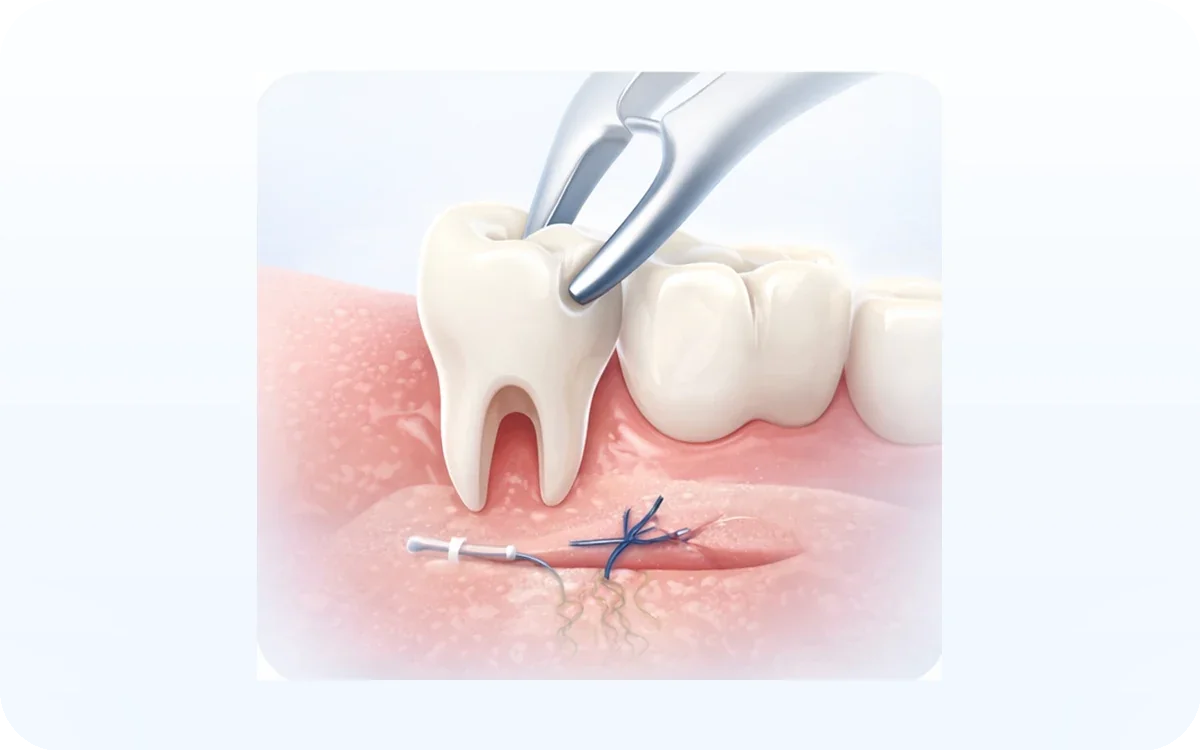
Benefits & Advantages
- Multiple sedation options for maximum comfort
- Gentle techniques that support faster recovery
- Same-day emergency extractions available
- Clear aftercare guidance and follow-up
- Helps preserve future restoration options
Frequently Asked Questions
Is an extraction painful?
You’ll feel pressure, not pain, with anesthesia and comfort options. Post-treatment discomfort is usually mild and manageable.
How long is recovery?
Simple extractions: initial healing in 7–10 days. Wisdom/surgical extractions: often 2–3 weeks for full healing.
What is a dry socket?
A dry socket occurs if the clot dislodges early, exposing bone and causing pain. Avoid smoking, straws, and follow aftercare to reduce risk.
Benefits & Advantages
- Eliminates infection and severe tooth pain
- Preserves your natural tooth structure
- Modern techniques for a comfortable experience
- Sedation options for anxious patients
- Same-day emergency treatment available (case-dependent)
Frequently Asked Questions
Is a root canal painful?
Modern root canal treatment is not painful with anesthesia and precise techniques. The pain usually comes from the infection—not the treatment.
How long does it take?
Often completed over 1–2 appointments depending on complexity. A typical visit is 60–90 minutes.
What happens if I don’t treat it?
Infection can spread, cause abscess, bone loss, and eventual tooth loss. Treating early helps prevent complications.
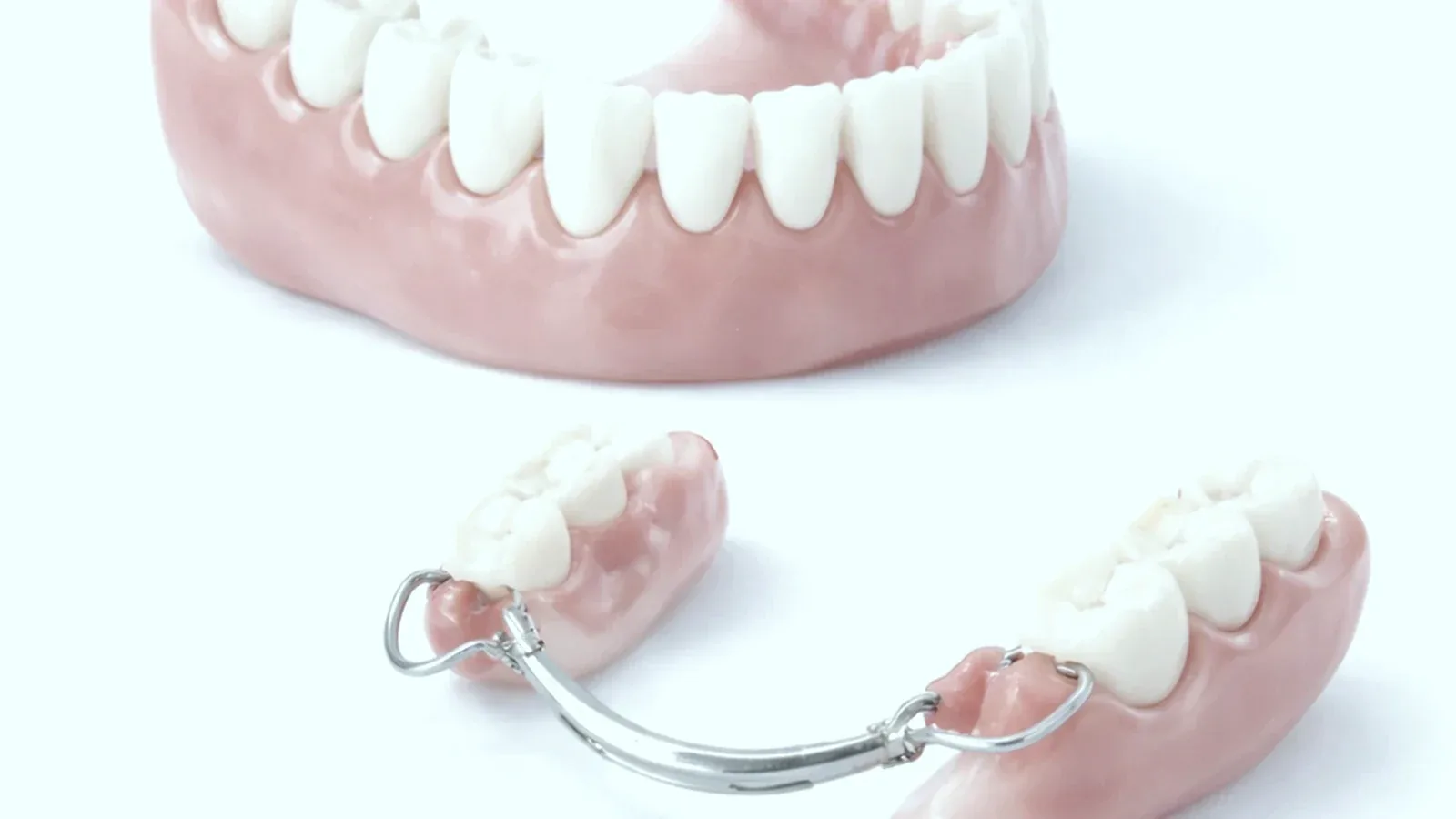
Benefits & Advantages
- Restores chewing and speaking function
- Enhances facial appearance and smile
- Custom-designed for comfort
- Options for partial and complete dentures
- Affordable tooth replacement solution
Frequently Asked Questions
What types of dentures are available?
Complete (full arch), partial, immediate (same day as extractions), and conventional (after healing). We’ll recommend the best type for you.
Are dentures uncomfortable?
There’s usually an adjustment period (often 2–4 weeks). We design dentures for secure fit and provide adjustments as needed.
How long does it take to get dentures?
Typically 3–6 weeks with several appointments for impressions, try-ins, and final delivery.
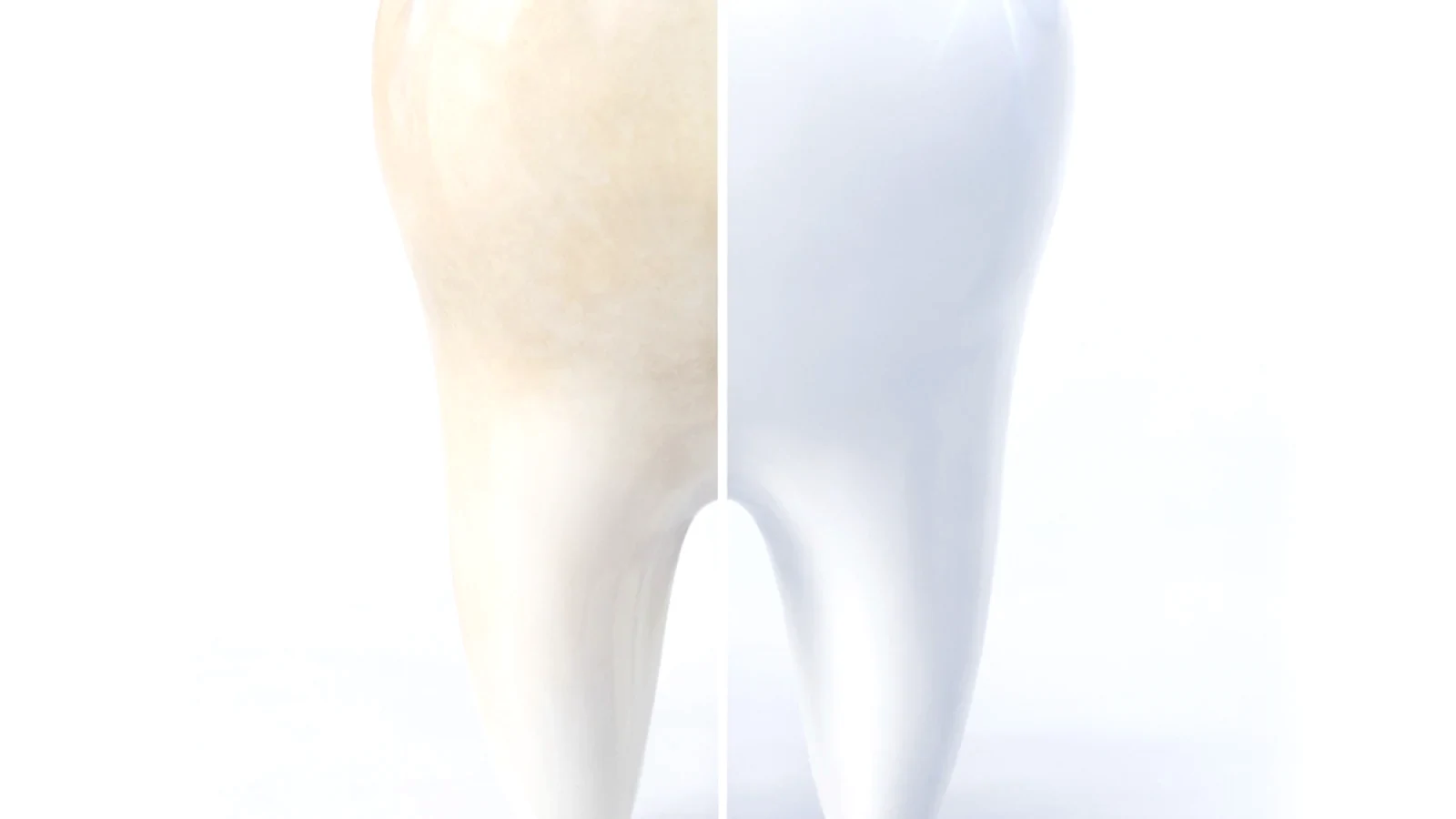
Benefits and Advantages
- Improves aesthetic appearance by removing stubborn stains
- Increase self confidence
- More youthful look
- Enhanced professional and social impressions
Frequently Asked Questions
How does GLO Science work?
The system uses a closed-system, heat-activated mouthpiece to prevent whitening oxygen from escaping, accelerating the whitening gel's action.
Will I have sensitivy afterwards?
The formula is alcohol and carbamide peroxide-free, often including potassium nitrate to prevent sensitivity, making it comfortable for patients.
How long does it take ?
In-Office Treatments: Features 24% or 30% hydrogen peroxide (HP) gel, providing fast,, in-chair, 16-minute sessions (two 8-minute applications).
Is it safe ?
Yes. GLO whitening gel was formulated by a top practicing dentist. GLO has been proven to be safe and effective inmultiple clinical studies and is registered with the FDA.
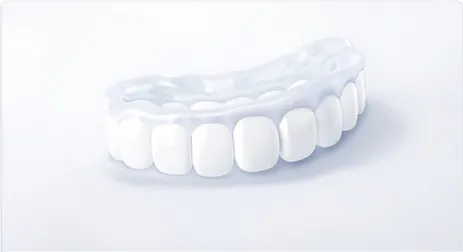
Benefits and Advantages
- Improve oral hygiene
- No dietary restrictions
- Fewer and faster office visits
- Reduced irritation to gums and cheeks
- Shorter tratment time , approximately 12-18 months
Frequently Asked Questions
What is Invisalign treatment?
Invisalign treatment is the process of wearing a series of clear, removable aligners that gradually straighten your teeth. No brackets and wires, and none of the restrictions that come with metal braces.
How will Invisalign treatment straighten my teeth?
Your Invisalign doctor will create a unique, digital treatment plan that maps out the exact movements of your teeth.
Is Invisalign treatment more expensive than braces?
Invisalign treatment typically is comparable in cost as braces.
Are there any restrictions on what I can eat while in treatment?
None! Invisalign clear aligners are removable, so there are no food restrictions at all.
Financial Information and Office Policies
Financial Information
Payment is due at the time services are provided. Our office accepts Cash, Visa, and MasterCard.
- No personal cheques
- Major insurance accepted (deductible mandatory)
- Patient is responsible for any portion of unpaid claims
Insurance examples listed: Atlantic Medical, Bahama Health, Colina, BAF.
Cancellations & Late Arrivals
We require at least 24 hours notice for all cancellations or rescheduling. An $80.00 fee may apply for broken or short-notice cancelled appointments.
- If your appointment is not confirmed by 3:00pm the day before, it may be automatically cancelled and offered to a patient on our waiting list.
- If you arrive more than 15 minutes late, your appointment may be rescheduled to avoid scheduling conflicts.
— Exquisite Dental Team
